
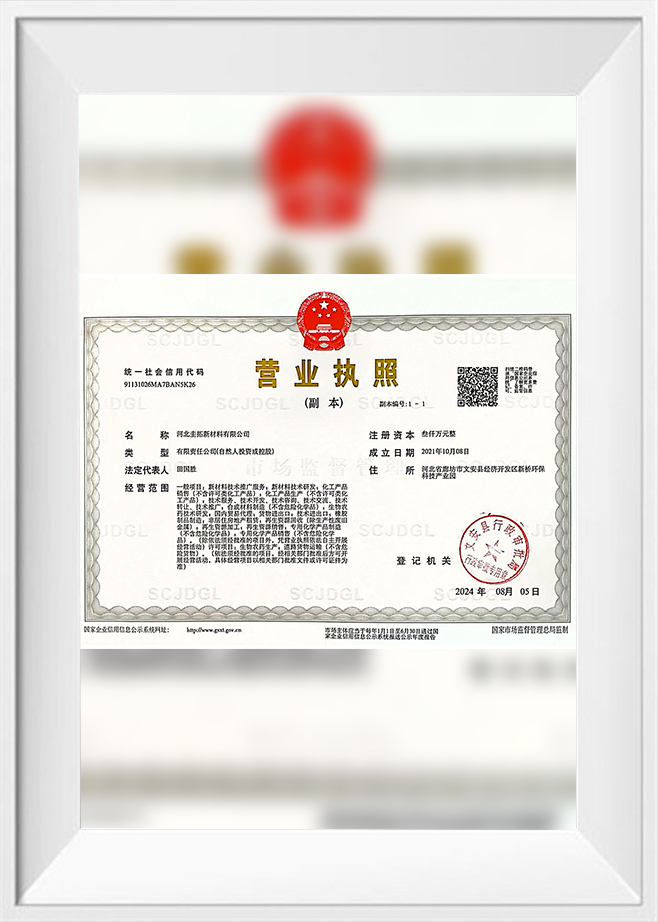
Ningbo Guituo Trading Co., Ltd. er et datterselskap av Hebei Guituo New Materials Co., Ltd. er en høyteknologisk bedrift som integrerer FoU, produksjon og salg. Selskapet har alltid tatt teknologi som kjernedrivkraften, med fokus på dyptgående utvikling og innovativ anvendelse av high-end silikonmaterialer i industri- og landbruksområder. Det er en profesjonell ny materialbedrift med betydelig innflytelse i bransjen. For å sikre produktkvalitet og stabil forsyning har selskapet etablert et omfattende garantisystem: det er utstyrt med internasjonalt avansert produksjonsutstyr og presise testfasiliteter, og har bygget en fullprosess kvalitetsovervåkingsmekanisme fra produksjonskilden til levering av ferdige produkter. Det har satt sammen et erfarent teknisk- og produksjonsteam med sterke faglige ferdigheter. Med dyp bransjeakkumulering og presis teknisk kontroll, sikrer det at hvert produkt oppfyller høye standarder.
Når det gjelder produktlayout, har selskapet bygget en rik og mangfoldig produktmatrise som dekker silikontilsetningsstoffer, fuktemidler, modifisert silikonolje, dimetylsilikonolje, overflateaktive stoffer, skumdempere og andre serier, som er mye brukt i landbruk, daglige kjemikalier, elektronikk, tekstiler og andre felt. Blant dem skiller landbrukssilikonproduktene seg ut for sin enestående kvalitet, og når et avansert innenlandsnivå. Med utmerket ytelse i flere kjerneindikatorer, er de foretrukket av ledende innenlandske agrokjemiske bedrifter og har blitt deres utpekte anskaffelsesprodukter. Samtidig eksporteres selskapets produkter til oversjøiske markeder som Europa og Sørøst-Asia, og vinner bred anerkjennelse fra utenlandske kunder med stabil ytelse og pålitelig kvalitet, og oppnår gode tilbakemeldinger fra markedet gjennom kontinuerlige gjenkjøp. I tillegg aksepterer selskapet OEM- og ODM-bestillinger.


Produktkategorier
Nylige innlegg
-
Hvordan fungerer landbrukssilikonsynergister med plantevekstregulatorer for bedre avlingsresultater
Apr 06, 2026 -
Hvordan velge riktig landbrukssilikonsynergist for å forbedre plantevernmiddeleffektiviteten
Mar 30, 2026 -
Hebei Guituo New Materials inviterer deg hjertelig til å delta på den 38. Inner Mongolia Agricultural Expo (Hall A3- A193)
Mar 26, 2026

Frigjøringsagent
-
 Muggavgivelsesmiddel er et funksjonelt stoff plassert mellom formen og det ferdige prod...
Slippmidler spiller en viktig rolle i moderne produksjon ved å forbedre formslippytelsen, forbedre produktets overflatekvalitet og optimalisere produksjonseffektiviteten. De er uunnværlige hjelpematerialer i behandlingen av plast, gummi, komposittmaterialer, PU-produkter og presisjonsstøpingsapplikasjoner. Ved å danne et jevnt og stabilt isolerende lag på formoverflaten, reduserer slippmidler effektivt adhesjonen mellom formen og det ferdige produktet, slik at deler kan løsne jevnt etter forming, minimerer overflatedefekter, reduserer formslitasje og forbedrer produksjonskontinuiteten og stabiliteten betydelig.
Produksjonen av slippmidler følger en fin kjemisk prosess, med nøye utforming av aktive ingredienser, bærersystemer og overflatespenningsregulerende komponenter for å sikre dannelsen av en holdbar og konsistent barriere på ulike formmaterialer. Streng kvalitetskontroll, nøyaktige formuleringsforhold og stabile emulgerings- og dispersjonsteknologier gjør at slippmidler kan opprettholde pålitelig ytelse under høye temperaturer, høyt trykk og kontinuerlige produksjonsforhold. De motstår karbonisering, forhindrer oppbygging og tilbyr god termisk stabilitet og gjentatt frigjøringsevne. Produksjonen legger også vekt på miljøhensyn, og sikrer tryggere bruk med lavere flyktighet og egnethet for strenge moderne industrimiljøer.
Slippmidler er mye brukt i sprøytestøping, kalandrering, ekstrudering, kompresjonsstøping, vulkaniseringsbehandling og produksjon av komplekse buede komponenter. Deres utmerkede smøreevne, varmebestandighet og isolerende egenskaper forbedrer ikke bare overflateglattheten, men reduserer også defekter, forbedrer dimensjonsnøyaktigheten og hjelper brukerne med å oppnå høyere utbytte. Med fleksible påføringsmetoder, inkludert sprøyting, børsting eller dypping, kan slippmidler tilpasse seg produksjonslinjer med forskjellige skalaer og utstyrskonfigurasjoner.
Fordelene med slippmidler gjenspeiles i flere aspekter. Deres stabile isolasjonsytelse reduserer muggrensefrekvensen, og reduserer dermed nedetiden og øker produksjonseffektiviteten. Sterk termisk motstand gjør dem i stand til å motstå støpeprosesser ved høye temperaturer. Overlegne sprednings- og beleggegenskaper tillater dannelse av en mer jevn film på formoverflater, noe som sikrer jevnere formslipp hver gang. I tillegg bidrar egenskaper med lavt restinnhold til å opprettholde produktets renslighet og minimere behovet for sekundær prosessering. Med disse fordelene har slippmidler blitt avgjørende for å oppnå høyeffektiv produksjon og produksjon av høy kvalitet i plast- og gummistøpeindustrien, noe som gir brukerne en mer stabil og pålitelig prosesseringsopplevelse og øker den generelle produktiviteten og konkurranseevnen.
Om oss

Hebei Guituo New Material Co., Ltd.
Hedersbevis
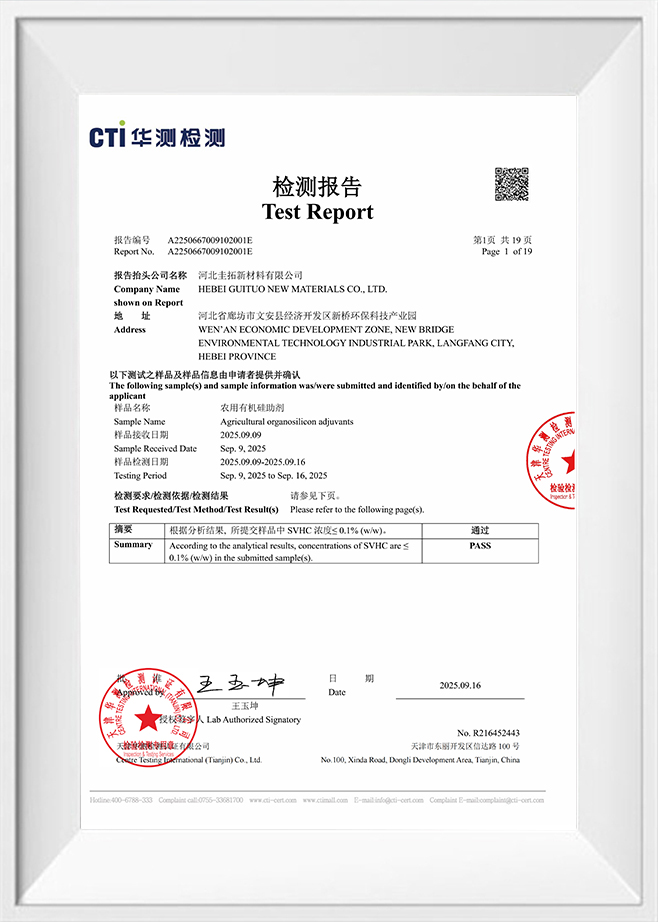
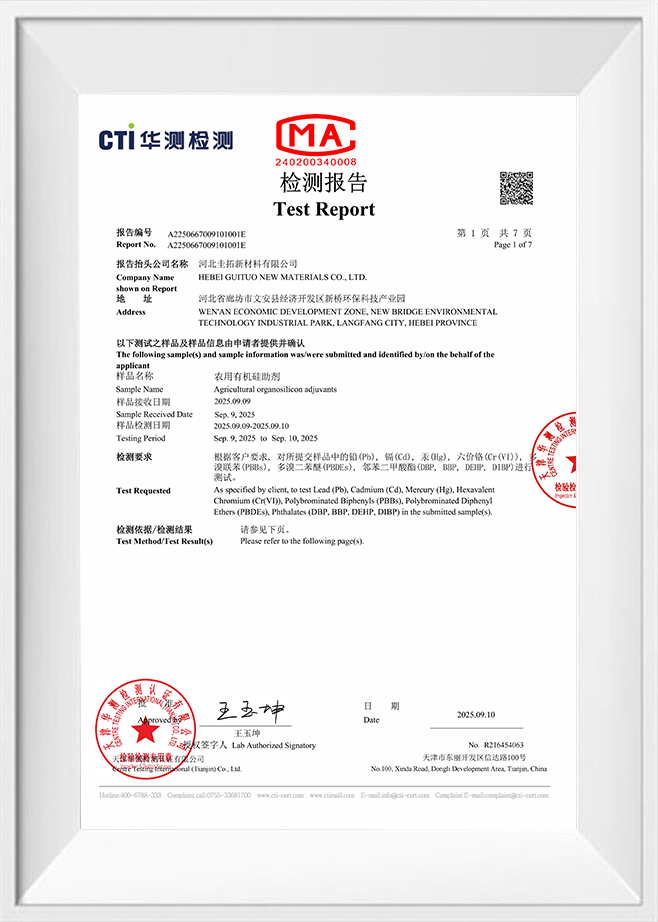
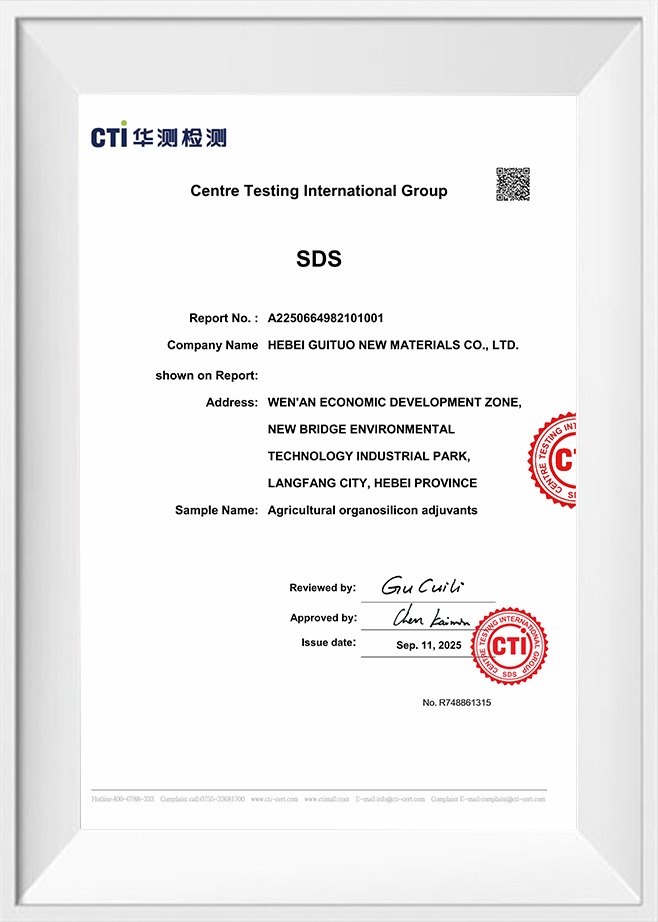
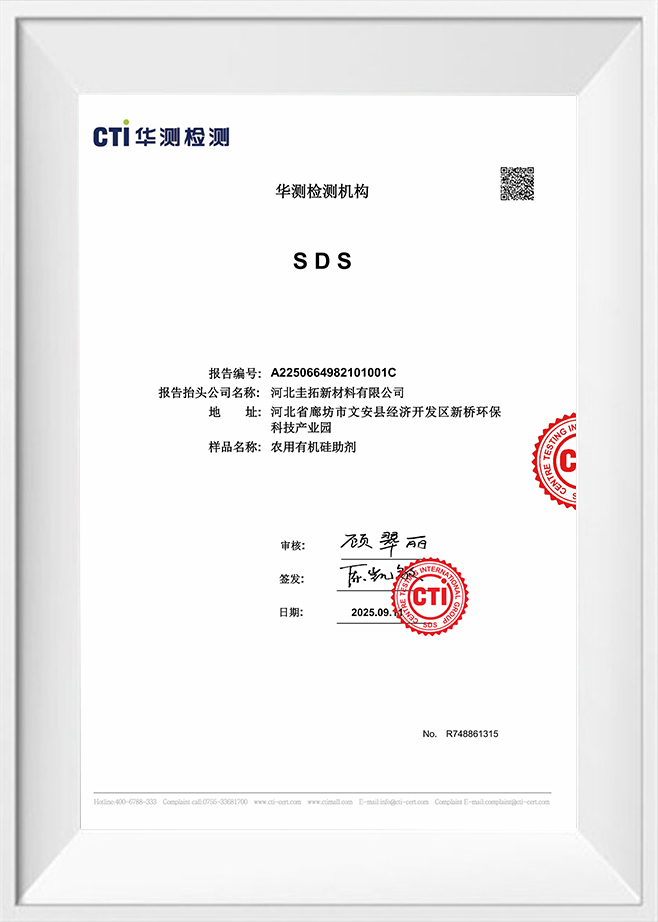
Siste nytt
Tilbakemelding på melding
Bransjekunnskap
How to Evaluate the Stability and Lifespan of a Release Agent
Understanding the Role of Stability and Lifespan in Release Agent Performance
In industrial manufacturing processes, a release agent plays a key role in ensuring smooth demolding, reducing surface defects, and maintaining production continuity. Stability and lifespan are two core parameters that directly influence whether a release agent can maintain consistent performance under real working conditions. Stability generally refers to the ability of the formulation to remain uniform and effective during storage and use, while lifespan focuses on how long the release agent can continue to function effectively on the mold surface or within a processing cycle. Evaluating these two aspects requires a combination of laboratory testing, process simulation, and long-term application observation.
Formulation Composition as the Basis for Stability Evaluation
The chemical composition of a release agent is the foundation of its stability. Silicone-based release agents, such as those developed and supplied by Hebei Guituo New Material Co., Ltd., often rely on dimethyl silicone oil, modified silicone oil, surfactants, and specific additives to balance compatibility and functional persistence. Stability evaluation begins by examining whether these components can coexist without separation, sedimentation, or viscosity drift over time. For example, a stable formulation should maintain a uniform appearance and consistent rheological properties when stored at different temperatures or subjected to moderate mechanical agitation.
Storage Stability Testing Under Controlled Conditions
Storage stability testing is a commonly used method to evaluate whether a release agent can maintain its performance during transportation and warehousing. This testing typically involves placing samples under various temperature and humidity conditions and observing changes over a defined period. For silicone release agents, parameters such as phase separation, odor changes, and viscosity variation are closely monitored. Hebei Guituo New Material Co., Ltd., with its experience in silicone additives and surfactants, emphasizes controlled storage testing to ensure that products remain suitable for use across different climatic regions.
| Test Condition | Observation Focus | Evaluation Purpose |
|---|---|---|
| High-temperature storage | Viscosity change and appearance | Assess thermal stability |
| Low-temperature storage | Crystallization or phase separation | Assess cold resistance |
| Long-term room temperature storage | Uniformity and odor | Assess shelf-life consistency |
Process Stability During Application
Beyond storage, stability must also be evaluated during actual processing. In molding, extrusion, or coating operations, release agents are often exposed to heat, pressure, and repeated contact with materials. A stable release agent should not decompose, volatilize excessively, or lose functional components under these conditions. Modified silicone oil systems, which are part of Hebei Guituo New Material Co., Ltd.’s product matrix, are often assessed for their ability to maintain a consistent release layer during continuous production cycles.
Lifespan Assessment Through Repeated Use Cycles
The lifespan of a release agent is typically evaluated by measuring how many cycles it can support before reapplication becomes necessary. This is particularly important in high-efficiency production lines, where frequent reapplication can increase downtime and material consumption. Lifespan testing involves applying a fixed amount of release agent to a mold and recording the number of successful demolding cycles achieved without surface defects or sticking. A longer functional lifespan often indicates that the release agent forms a more durable and uniform interface layer.
Impact of Substrate and Mold Materials on Lifespan
Different mold materials, such as steel, aluminum, or composite molds, interact differently with release agents. Evaluating lifespan requires testing across representative substrates used in the target industry. Silicone-based release agents used in agriculture-related manufacturing, electronics, or textile processing may encounter diverse surface energies and temperatures. Hebei Guituo New Material Co., Ltd. considers these variations when aligning its silicone additives and defoamers with downstream application requirements, ensuring that lifespan data reflects real operating environments.
| Mold Material | Typical Test Indicator | Lifespan Observation |
|---|---|---|
| Steel mold | Number of release cycles | Consistency of demolding force |
| Aluminum mold | Surface residue formation | Stability of release film |
| Composite mold | Surface compatibility | Uniformity after repeated use |
Chemical Resistance and Environmental Exposure
Release agents are often exposed to chemicals such as cleaning agents, resins, or reactive monomers. Evaluating stability and lifespan includes assessing resistance to these substances. A release agent with suitable chemical resistance should not degrade rapidly when in contact with commonly used process chemicals. Silicone surfactants and wetting agents produced by Hebei Guituo New Material Co., Ltd. are typically evaluated for their tolerance to such environments, ensuring that performance remains consistent over time.
Performance Consistency as a Lifespan Indicator
Another important aspect of lifespan evaluation is performance consistency. Even if a release agent remains present on the mold surface, its effectiveness may gradually decline. Monitoring changes in surface finish, demolding force, and defect rates across production cycles provides insight into functional lifespan. Stable performance across multiple indicators suggests that the release agent maintains its intended role rather than simply remaining as a residual layer.
Industry Application Feedback and Long-Term Validation
Laboratory and pilot-scale evaluations are often complemented by feedback from industrial users. In sectors such as agriculture, daily chemicals, electronics, and textiles, release agents are subjected to continuous and varied operating conditions. Hebei Guituo New Material Co., Ltd., whose agricultural silicone products are widely used by domestic agrochemical enterprises, integrates long-term application data into its evaluation framework. This approach helps align laboratory stability and lifespan indicators with actual production requirements, providing a more practical basis for performance assessment.
FAQ
Q: What is a release agent and how is it commonly used?
A: A release agent is a functional material applied to mold surfaces or processing interfaces to reduce adhesion between the mold and the finished product. It helps ensure smooth demolding and stable production efficiency. Release agents are widely used in agriculture-related manufacturing, daily chemical processing, electronics, textiles, and other industrial fields.
Q: What types of release agents are commonly based on silicone materials?
A: Many release agents are formulated using silicone-based raw materials such as dimethyl silicone oil, modified silicone oil, silicone additives, and surfactants. These materials help form a uniform release film and support consistent performance under different processing conditions, which aligns with the product portfolio of Hebei Guituo New Material Co., Ltd.
Q: Why are silicone release agents suitable for agricultural applications?
A: Silicone release agents are often selected for agricultural applications because they offer stable performance, suitable wetting behavior, and compatibility with various formulations. Hebei Guituo New Material Co., Ltd.’s agricultural silicone products are widely used by agrochemical enterprises, supporting efficient production and consistent processing outcomes.
Q: How do wetting agents and surfactants contribute to release agent performance?
A: Wetting agents and surfactants help the release agent spread evenly across the mold or substrate surface. This improves surface coverage and reduces localized adhesion. As part of Hebei Guituo New Material Co., Ltd.’s product matrix, these materials are often used to support stable release behavior in different industrial environments.
Q: What role do defoamers play in release agent formulations?
A: Defoamers are used to control foam formation during mixing, application, or processing. Excess foam can affect coating uniformity and application accuracy. Incorporating suitable defoamers helps maintain consistent application quality, especially in automated or high-speed production lines.
Q: How can the lifespan of a release agent be evaluated in practice?
A: The lifespan of a release agent is typically evaluated by observing how many processing cycles it can support before reapplication is required. This includes monitoring demolding force, surface residue, and consistency across repeated cycles. Silicone-based systems are often assessed under real production conditions to ensure the data reflects practical use.
Q: In which industries are silicone-based release agents commonly applied?
A: Silicone-based release agents are commonly applied in agriculture-related manufacturing, daily chemicals, electronics processing, textile finishing, and other industrial sectors. Hebei Guituo New Material Co., Ltd.’s diverse product layout supports these applications by providing silicone additives, modified silicone oils, surfactants, and related materials.

Kontaktinformasjon
Tel : +86-400-138-5268
Email : [email protected]
Phone : +86-15128434888 / +86-13511051998
Add : Xinqiao Environmental Protection Industrial Park, Wen'an County, Langfang City, Hebei-provinsen, Kina
Kontaktinformasjon
Opphavsrett © Hebei Guituo New Material Co., Ltd. Alle rettigheter reservert.
